Rita Lino - Escavadora
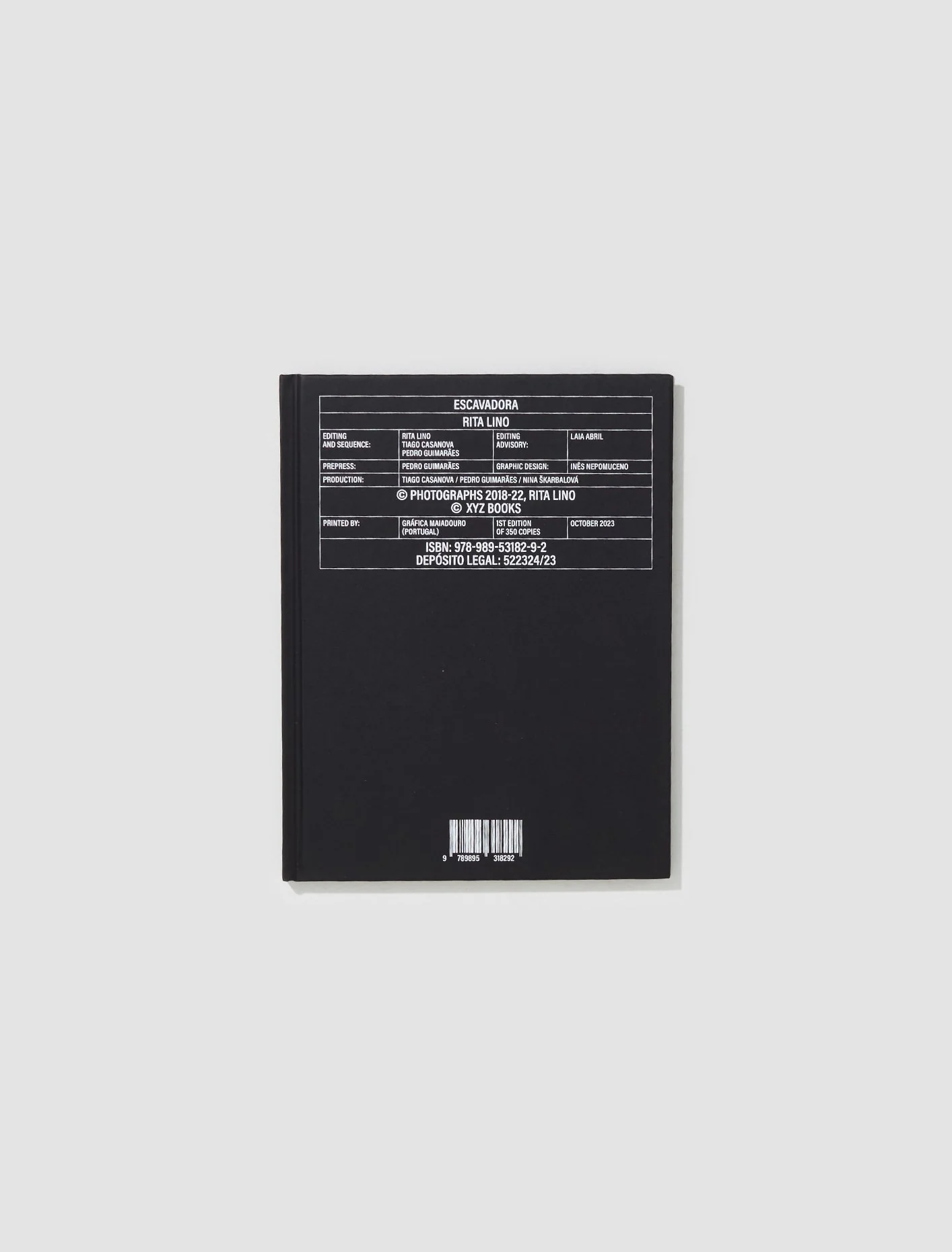
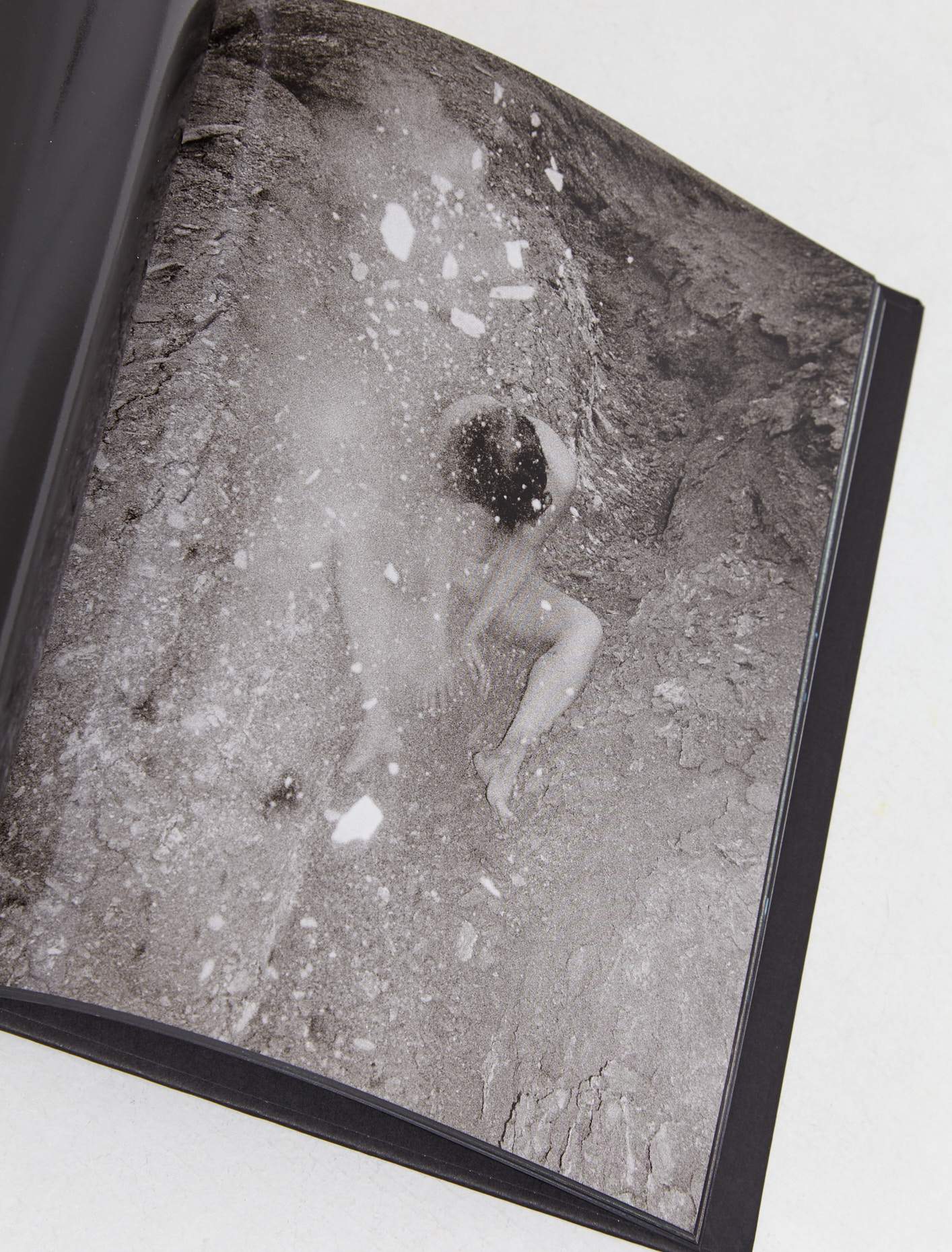
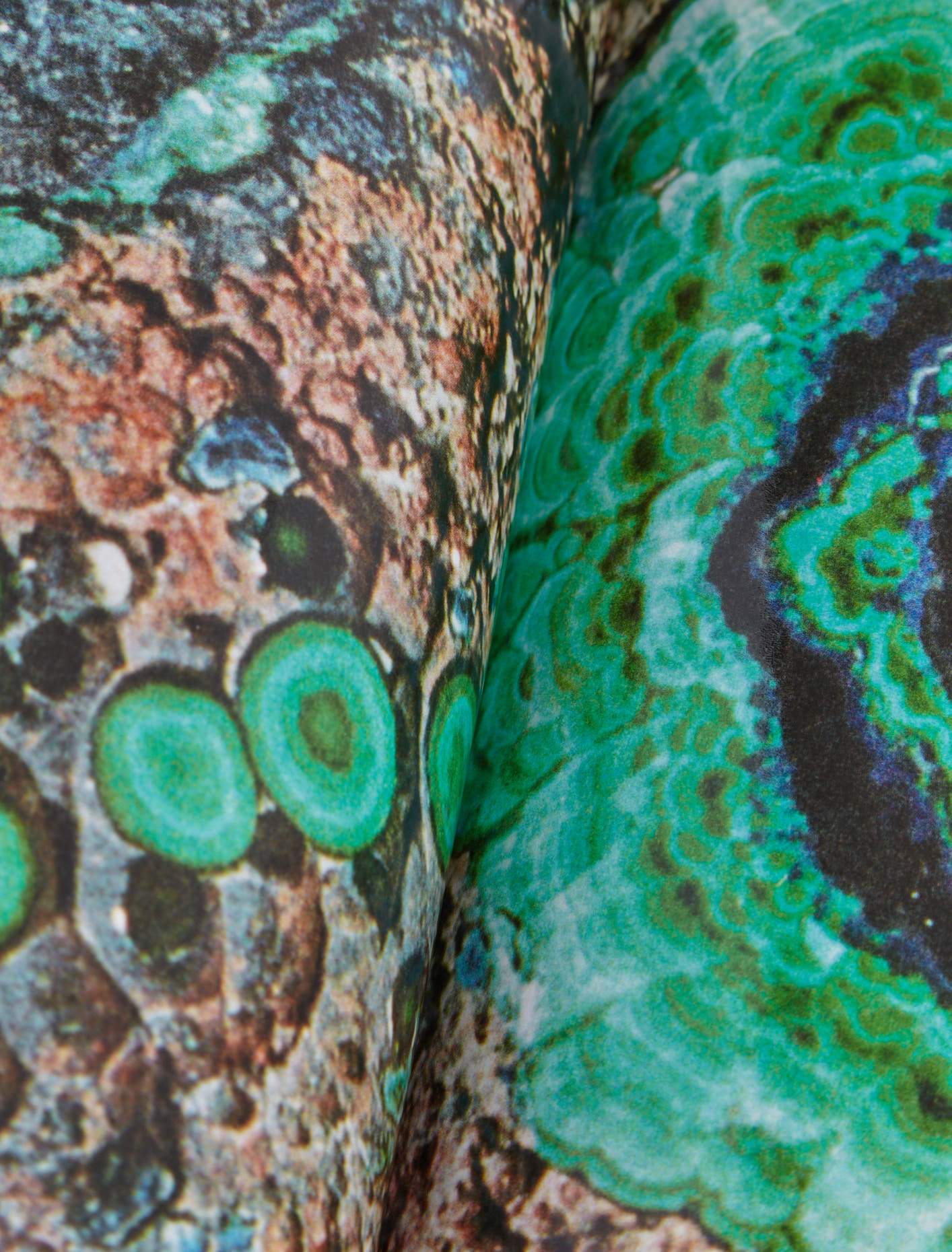
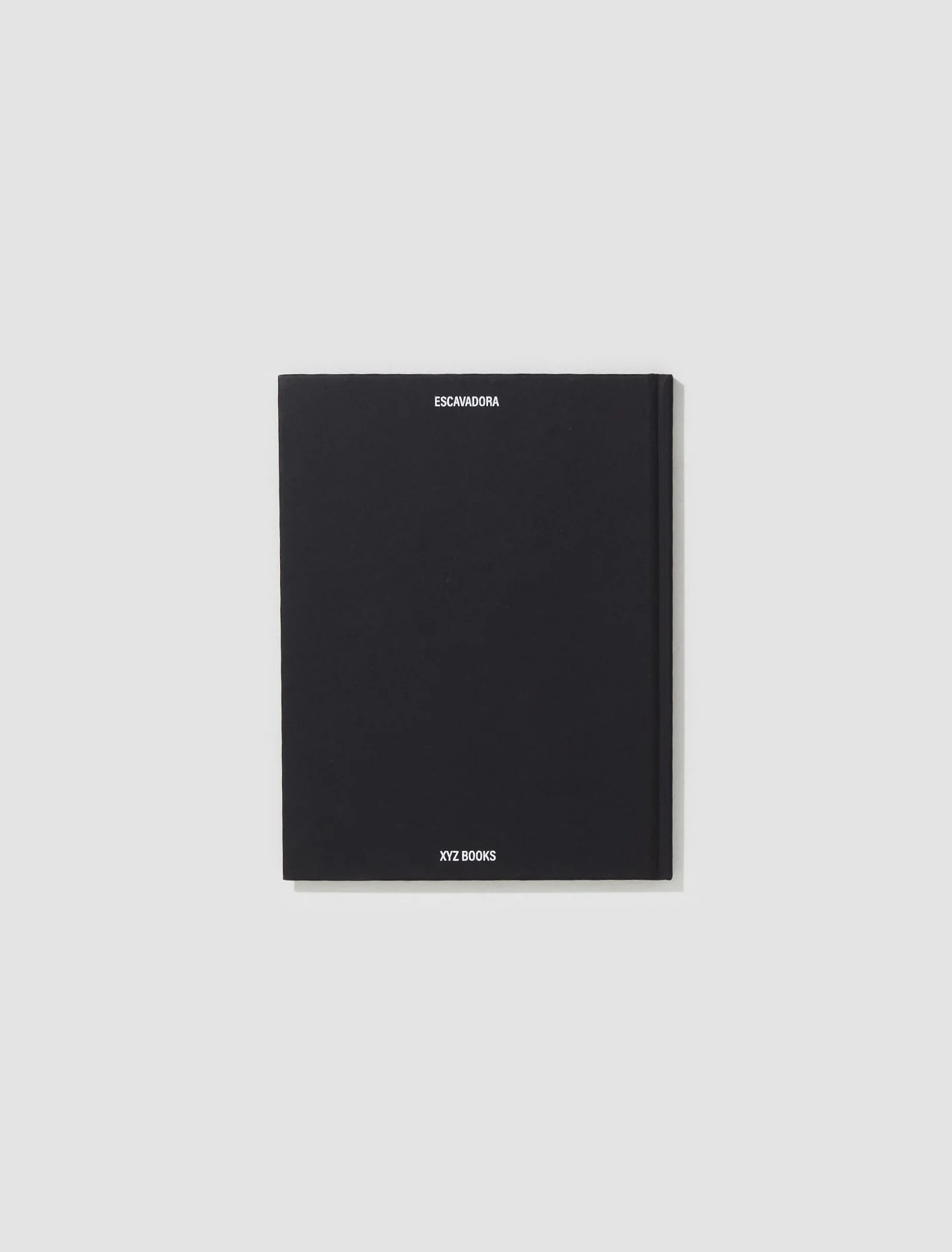
An excavation is more than just the unearthing of remains or specimen. It is a process involving both burial and discovery. ‘Escavadora’ is the Portuguese word for ‘excavator’ – a feminine noun that exudes the power and strength of a machine. Rita Lino’s work has always treated the body – her own body – as a vessel for making larger statements. In this book, however, the body serves as a tool for exploration. In the caves and mines that she photographed, the body itself is the explorer, a machine plunging into the depths of places where vision is encumbered, where past and future become one endless tunnel with no light at the end. Outside of temporal and spatial limitations, Lino’s images create a dystopian underworld where the removal of human markers leaves only a landscape of rocks and shadows that encompasses the viewer and leaves visceral traces of melancholy and disturbance. For Lino, this exploration is a necessity, driven by visual curiosity instead of a search for catharsis. In the darkest of dark places, emotion does not exist, only action and self–preservation. The buried remain buried. There is no great discovery.
Original: $42.00
-65%$42.00
$14.70Product Information
Product Information
Shipping & Returns
Shipping & Returns
Description
An excavation is more than just the unearthing of remains or specimen. It is a process involving both burial and discovery. ‘Escavadora’ is the Portuguese word for ‘excavator’ – a feminine noun that exudes the power and strength of a machine. Rita Lino’s work has always treated the body – her own body – as a vessel for making larger statements. In this book, however, the body serves as a tool for exploration. In the caves and mines that she photographed, the body itself is the explorer, a machine plunging into the depths of places where vision is encumbered, where past and future become one endless tunnel with no light at the end. Outside of temporal and spatial limitations, Lino’s images create a dystopian underworld where the removal of human markers leaves only a landscape of rocks and shadows that encompasses the viewer and leaves visceral traces of melancholy and disturbance. For Lino, this exploration is a necessity, driven by visual curiosity instead of a search for catharsis. In the darkest of dark places, emotion does not exist, only action and self–preservation. The buried remain buried. There is no great discovery.